Fifty-One Chin Swee Road, Late at Night
I am on foot near 51 Chin Swee Road when the evening changes shape — not dramatically, not cinematically, but enough that I still carry the sequence in my pocket months later.
Where I am
I am walking downhill towards the station after supper with my cousin near Outram. The air has the thin coolness that arrives after rain, though the rain itself stopped an hour ago. My shoes are still damp at the edges. Chin Swee Road is familiar in the way city streets become familiar when you have taken the same train home often enough — the slope, the block numbers climbing on the left, the occasional glow from a kitchen window above a shuttered shop. I am not hurrying. I have time for the last train if I keep a steady pace, and the pavement is empty enough that I can hear my own footsteps and, farther off, the low hum of traffic on the main road.
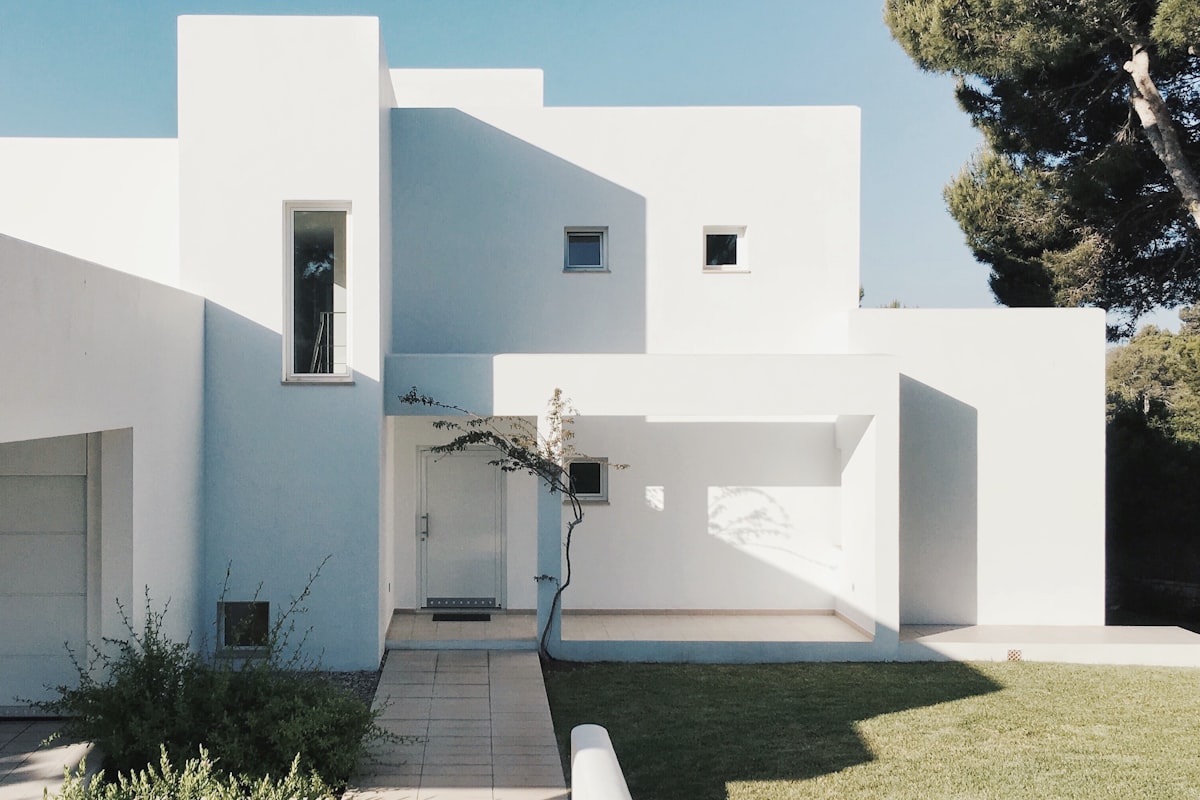
Number fifty-one sits in a row of flats that look ordinary in daylight and slightly softened at night, as if someone turned down the contrast. I pass the letterboxes, the bicycle chained to a railing, the small tree in a planter that never seems to grow taller. Nothing about the block announces that the night will split. I am simply between one meal and one train, between my cousin’s laughter still ringing in my ears and the quiet habit of walking alone through a neighbourhood that is not mine but is close enough to feel borrowed.
What the evening has been
Supper was long and unhurried — fish soup, rice, the kind of table where you keep ordering tea because the conversation has not finished. My cousin tells a story about a colleague who mislabels folders, and I tell one about the uncle at the kopitiam downstairs who remembers my order before I reach the counter. We pay and step out into the cooler air, and for a while we walk together towards the MRT, talking about nothing urgent: a bus that always arrives early, a void deck where someone left a plastic chair in the wrong corner, the way the coast smells different after a storm.
At Outram we part. She turns towards her line; I take mine towards Chin Swee and then home along the coast road later. The handover is ordinary — a wave, a promise to text when I am back in Marine Parade, the small ritual of separating in a city that keeps moving around you. I feel fed, slightly sleepy, content in the flat way evenings can be content when nothing is chasing you and no deadline waits on the other side of midnight. That feeling matters because it is the last uncomplicated layer I wear before the sirens start.
The first sound
It begins as a thread pulled through the ordinary noise — not louder at first, just distinct. A siren, then another, answering from a different direction. I stop without deciding to stop. Around me, a few other walkers pause too, heads turning the way people turn when they are trying to locate a sound in a canyon of buildings. The sirens do not fade. They multiply, and with them comes the brittle flash of blue light bouncing off wet tar and glass.
I do not run towards it. I do not run away. I stand on the pavement with my bag strap across my chest and listen, and the listening feels involuntary — the body choosing stillness when the mind has not caught up. Someone farther up the road says a short sentence I do not fully catch. A phone screen lights a face for a second and goes dark again. The sirens keep coming, and the ordinary street becomes a place where everyone is performing the same uncertain posture: present, attentive, and completely without a script.
What I can see
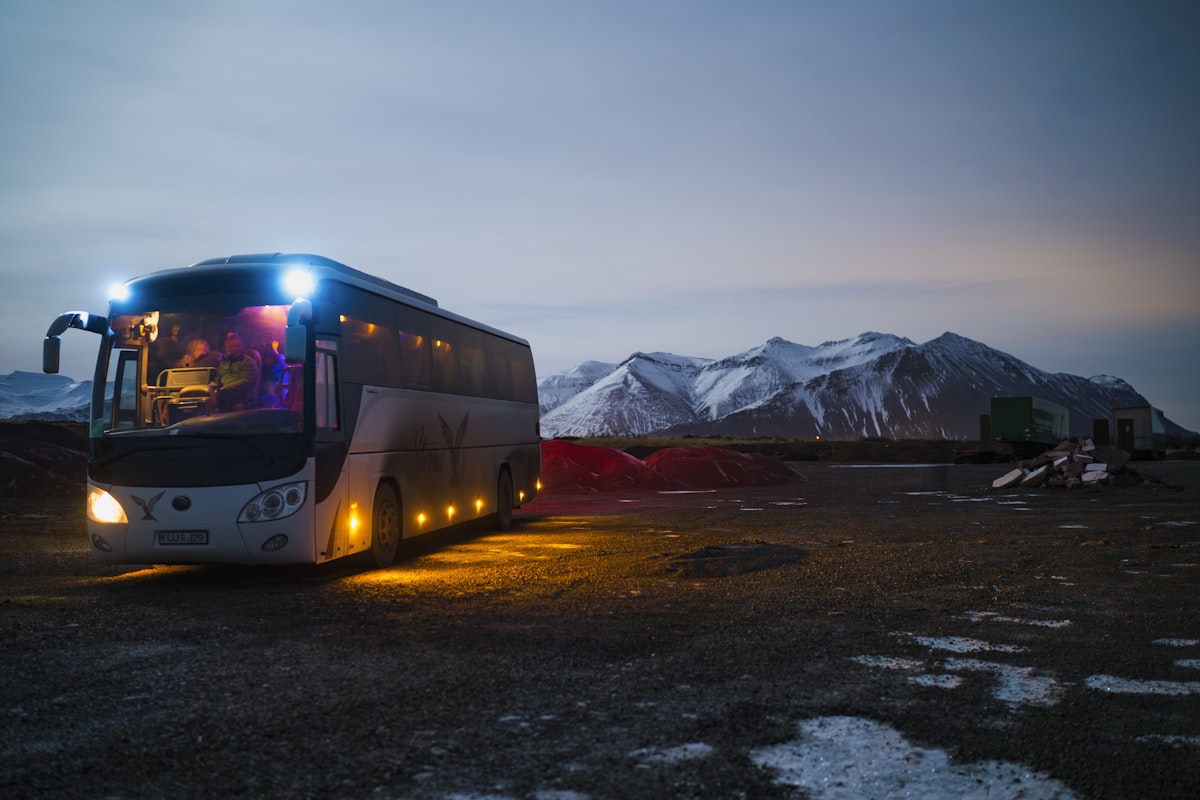
From where I stand I can see the curve of the road and the pooling light from emergency vehicles somewhere ahead — not close enough to read details, close enough to colour the low clouds and the fronts of the flats. Figures move at the edge of that light: uniforms, reflective stripes, the brisk choreography of people who know what they are doing even when I do not. A stretch of tape appears, or perhaps it was already there and I only notice it now. Traffic stalls and diverts; a bus idles with its doors closed, passengers turned in their seats like an audience that did not buy tickets.
The wet pavement throws everything back doubled — lights, silhouettes, my own stance reflected in a shallow puddle. I see neighbours on balconies, some half-hidden behind laundry poles, some fully visible with hands on the rail. I see a man in slippers walk to the corner and stop when someone raises a palm. I see the block at fifty-one the same as before and not the same, the way a room looks different when a chair has been moved one inch. I catalogue these things because looking is what I have permission to do from this distance, and because later I will mistrust my memory and want the honest inventory of a witness who knows she is only partial.
What I cannot see
There is a centre to the light that I cannot enter and do not try to enter. Whatever drew the sirens sits behind bodies, behind vehicles, behind the polite geometry of a cordon. I hear fragments — radios, an shouted instruction, a door somewhere closing — but the words do not assemble into an explanation. People around me speculate in whispers and I let the whispers pass through me without picking them up. I have learned, in a city that moves fast, that the first story is rarely the true one and is often unkind to someone I will never meet.
I do not know what happened. I want to say that plainly because it is the truest sentence I own. I was nearby; I was not inside the event. I saw the response — the lights, the concentration of attention, the way a street can shrink to a single point — but the cause remains behind a line I did not cross. When I write “serious” I mean only that the night carried weight I could feel in my sternum, not that I can name the nature of that weight for anyone else. To pretend otherwise would be to borrow authority I do not have, and this page is not built for borrowing.
The ride home
Eventually the crowd thins. The sirens taper to a lower pulse, then to silence broken by intermittent radio chatter. I walk on, not because the street feels finished but because standing still has stopped giving me information. At the station the fluorescent light is harsh after the wet dark, and the first train I board is half-empty, which surprises me until I remember how late it has become. I choose a seat by the window out of habit.
The train carries me east. Through the glass the city slides — housing blocks, a glimpse of water, the coast road when we surface into the open air again. My phone buzzes once: my cousin checking in. I answer with the short version — I am fine, I am on the way home, I will explain later without explaining much. The bus from Marine Parade smells of rain on fabric and someone’s takeaway coffee. By the time I climb to the eighth storey the estate is quiet, the corridor lit by the same steady lamps that were lit when I left. I wash my hands longer than necessary. I sit at the kitchen table and listen to the fan click onto setting two. The ordinary machinery of home resumes, and the night sits beside it like a guest who has not been introduced.
What I still think about
Months later I still think about the distance between hearing and knowing — how close you can stand to a moment that changes other people’s lives and remain, in the factual sense, uninformed. I think about the wet kerb, the politeness of strangers who made room without asking questions, the way my cousin’s soup-warm contentment ended not with drama but with a turn of the head. I think about fifty-one Chin Swee Road as a number I wrote in my phone calendar next to “supper” and then, later, next to nothing at all because some places resist calendar language once the sirens have visited them.
I return to the sentence I owe myself and anyone reading: I do not know what happened. I know what I heard, what I saw from my end of the road, and how the ride home felt — the train window, the coast air, the lamp that buzzes once before it warms up in my flat. If you were there and I have misremembered a detail, tell me and I will correct it. If you were not there, do not ask me to supply an ending. Some notes stop where the light stops, and this is one of them.
I still pass Chin Swee on the train sometimes, looking up at blocks that appear unchanged from a carriage window.
Aishah