The coffee uncle who had my order ready
The shop sat at the foot of the block like a pocket that never quite closed — always half-open by seven, always smelling of toast and burnt sugar before the lifts had finished their morning chorus.
I started going there on mornings when I did not trust my own kitchen yet. The uncle behind the counter wore the same short-sleeved shirt in rotation, pale blue on Mondays, grey on Thursdays, and he never asked what I wanted after the third visit. He would look up, see my bag on the shoulder, and turn toward the kopi pot as if the order had arrived in the room before I did. Kopi-c kosong. Not too hot. That was the whole conversation for weeks.
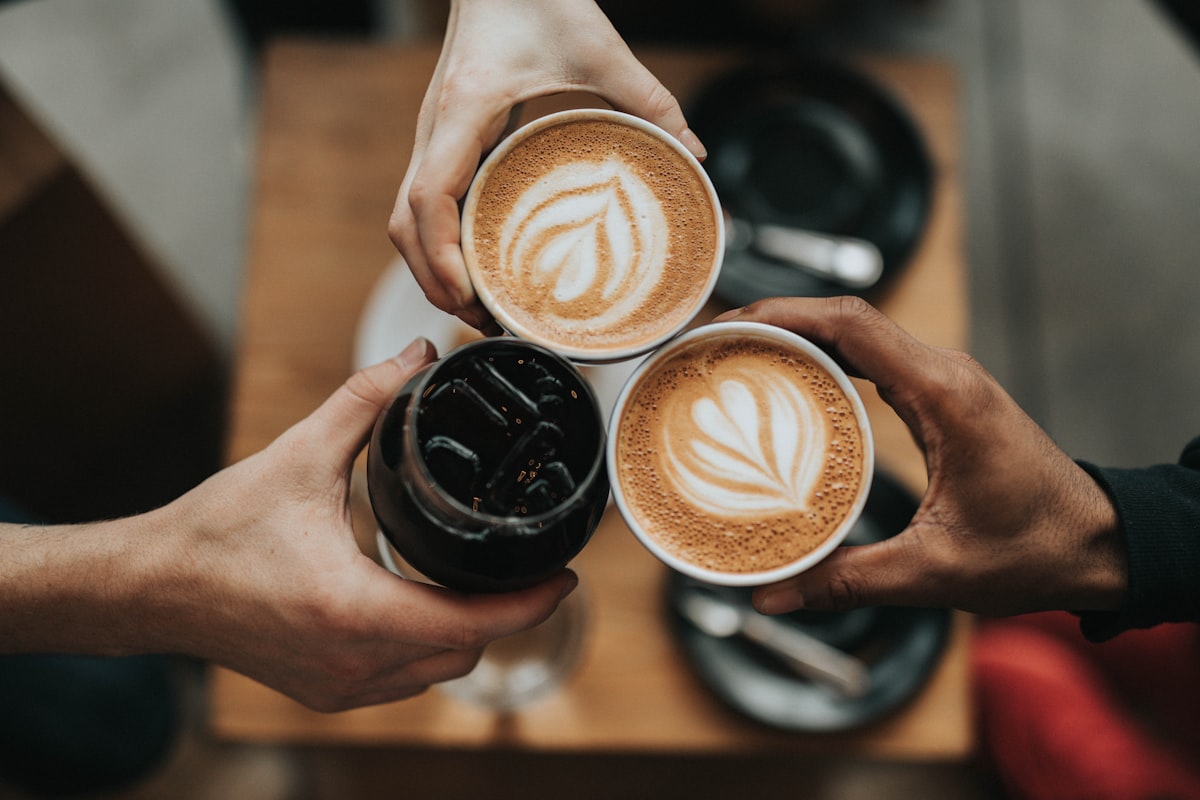
What stayed with me was not the drink, which was good in the ordinary way good things are when you stop measuring them. It was the small proof that someone had been paying attention without making a ceremony of it. In a city that praises speed, he moved at the pace of a person who believed mornings should not be won. He wiped the counter in slow arcs. He listened to the radio low enough that only regulars caught the song titles. When a delivery rider leaned in, he remembered which one took less sugar.
I sat at the plastic table nearest the void deck once, notebook open, pretending to write something important. Mostly I watched shoes pass — slippers, school shoes, office loafers picking up the same rhythm. The uncle brought my cup without being asked and placed it where my left hand would naturally land. He did not comment on the notebook. That felt like kindness shaped to fit the space.
One morning in August the shop was louder than usual because the toast machine coughed and refused to cooperate. The uncle laughed — a short sound, more breath than voice — and told the auntie at the next table that the machine was retiring without notice. She said he should talk to it nicely. He said he had been talking nicely for eleven years. I realised then how long a corner could hold a person if the person allowed the corner to hold them back.
I left that day with the cup cooling faster than I liked, and the uncle called after me that the next one would be hotter. He was right. He usually was about the small things. I thought about how many orders he held in his head like names on a class register — not because he wrote them down, but because repetition had turned them into furniture. My kopi-c kosong sat between the rider’s tehkos and the auntie’s milo peng as if it had always belonged there.
On the walk back upstairs I passed the void deck chairs, still empty, still aligned as if someone expected company later. The block hummed in that particular pre-eight o’clock way: doors, water pipes, a radio two floors above mine. I understood, not for the first time, that neighbourhood is often a series of remembered preferences — how hot, how sweet, which table, which nod. The uncle had my order ready because I had shown up enough times to become part of the room’s grammar. I did not know his name. He did not know mine. We had something quieter than that.
I still think of that shop when I make coffee at home and reach for a cup before the kettle finishes. Some habits are borrowed from people who never offered them as lessons. The foot of the block taught me that being known can be light — a cup placed without speech, a correction offered without embarrassment. Nothing more was required. Nothing more was given. It was enough to start the day as if someone had already checked that I was awake.
I have not been back every morning since. Life rearranges itself without announcement. But when I do return, the uncle still looks up first, not down at the register. The order is already moving before I finish the first step inside. I take that as a small continuity in a city that changes its skyline faster than its residents change their slippers. The coffee shop at the foot of the block remains what it was: a place where attention is served hot, and nobody makes a fuss about it.