The park connector that ended at the sea wall
I took the park connector on an afternoon when the flat felt too still, following the red markings until the estate thinned out and the air changed weight.
The path began politely enough — wide, labelled, bordered by hedges trimmed to the same modest height as if someone had measured neighbourliness in centimetres. Cyclists passed in pairs, then singly, then not at all. My footsteps became the loudest thing after the third bend. I noticed how the connector did not announce the sea. It simply kept going until trees stopped pretending to be a forest and the light turned the colour of open water.
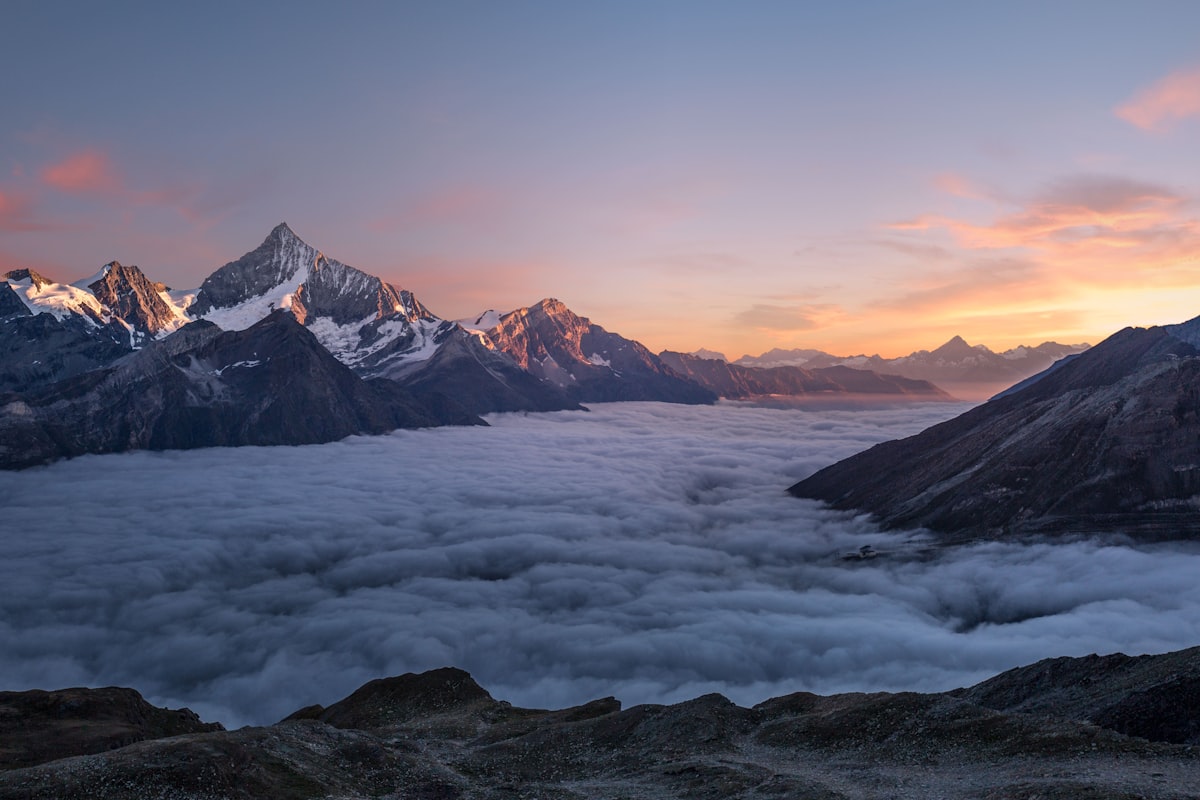
Nobody walked beside me for the last stretch. That was not loneliness exactly — more like borrowing a room that had been left unlocked. The sea wall rose without drama, a low concrete line holding back a familiar grey-green sheet of water. Ships sat on the horizon like punctuation marks too far away to matter. I leaned on the railing and felt the vibration of the city recede to a hum I could almost name: traffic, distant, filtered through mangrove and salt.
I had walked this route before with company — conversations about work, about meals, about whether the clouds would break. Alone, the same path offered a different inventory. Cracks in the pavement shaped like branching rivers. A discarded rubber band curled near a drain. The smell of seaweed when the wind shifted, not unpleasant, just honest. I wrote nothing down that day. Some notes happen only in the body, stored in the legs and the lungs until language catches up later, in a kitchen, under a lamp.
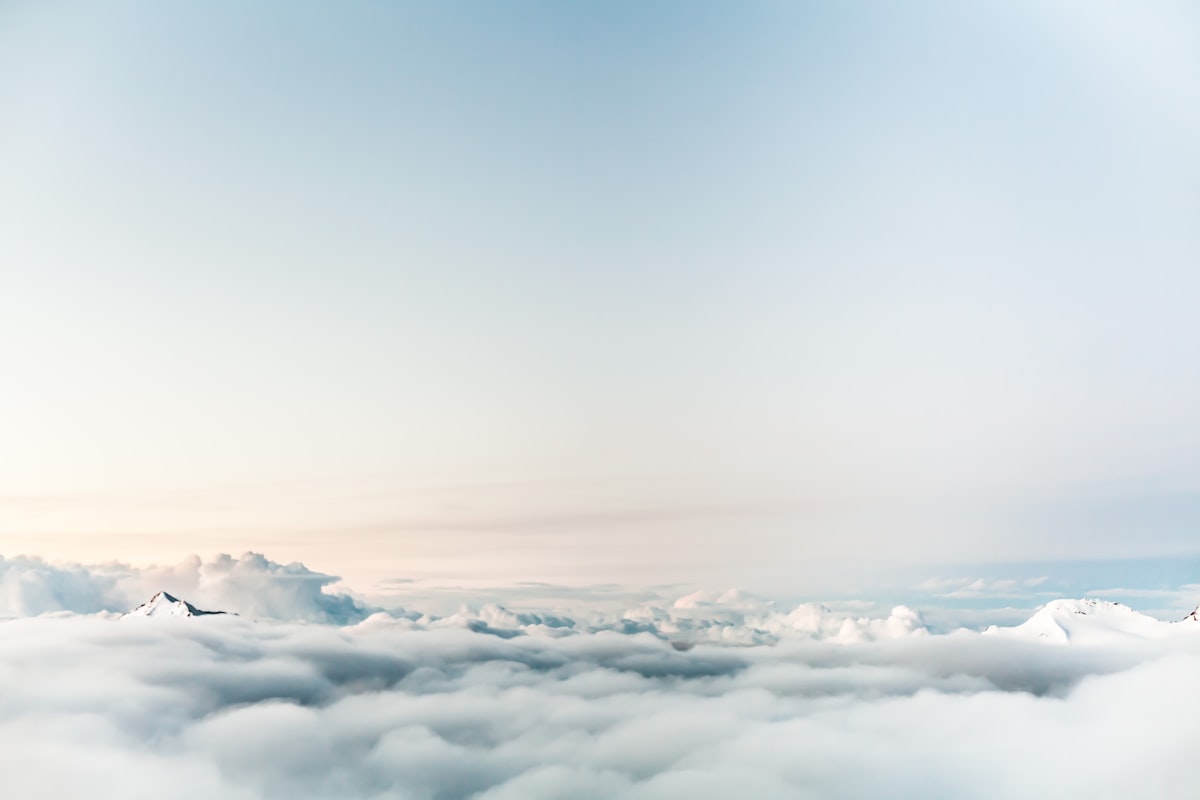
Halfway back the sky bruised without warning. July does that here — sunshine folded into drizzle as if someone changed their mind mid-sentence. I stood under a shelter that was really just a wider part of the railing and watched beads collect on the metal. The connector emptied completely. No joggers, no dogs, no children practising balance on the painted line. Rain altered the soundscape: slap on leaves, a softer rush on the sea side, my own breathing louder than I expected.
I thought about how paths are designed for use and somehow still hold solitude well. The park connector was built for movement — wheels, strollers, purposeful strides — yet it accommodated stillness without comment. I was not doing anything useful. I was not exercising toward a goal. I was simply present at the edge where land admitted it could not go further. That admission felt like relief.
When the rain thinned I continued homeward with shoes darker at the toes. The mangrove section smelled stronger, earthy and tidal at once. A monitor lizard crossed far ahead, unbothered by my existence. I envied that economy of attention. Back near the estate, the hedges returned, trimmed and neighbourly again. Lift buttons, corridor tiles, the familiar click of my door — the inland world reclaimed me inch by inch.
I hung my damp jacket on the back of a chair and made tea without turning on the news. The walk had no witness except the sea wall and the railing and the rain. That is why it lives on the clothesline under notes with nobody in them. Not because people are absent from my life, but because some afternoons do not need a second voice to become complete. The connector ended at the sea. I turned around. That was the whole story, and it was sufficient.
I still walk there when thoughts need horizontal space. The route has not changed — same markings, same bend, same moment the path forgets it belongs to a housing estate. I notice different things each time: a new crack, a repaired bench, a bird I cannot name. The sea wall continues to hold the line. I continue to arrive alone, which is not the same as being lonely. Some places ask only that you show up and look outward. This one asks that quietly, and I answer in kind.