The kitchen table under the fan on setting two
Setting two is the speed I use when the evening is still warm but the day has surrendered its urgency — enough air to move a napkin corner, not enough to scatter papers.
The kitchen table is the flattest surface in the flat that does not also serve as a desk, which is why it becomes my writing place when the desk feels too formal. On that June evening I sat with a cup of ginger tea cooling in front of me and the ceiling fan above set to its middle click. The blades made a rhythm I know by heart: three beats, slight wobble, three beats. Setting one is too lazy. Setting three sounds like preparation for a storm. Setting two is the domestic compromise — the household equivalent of speaking softly because someone might still be asleep in the next room, even when no one is.
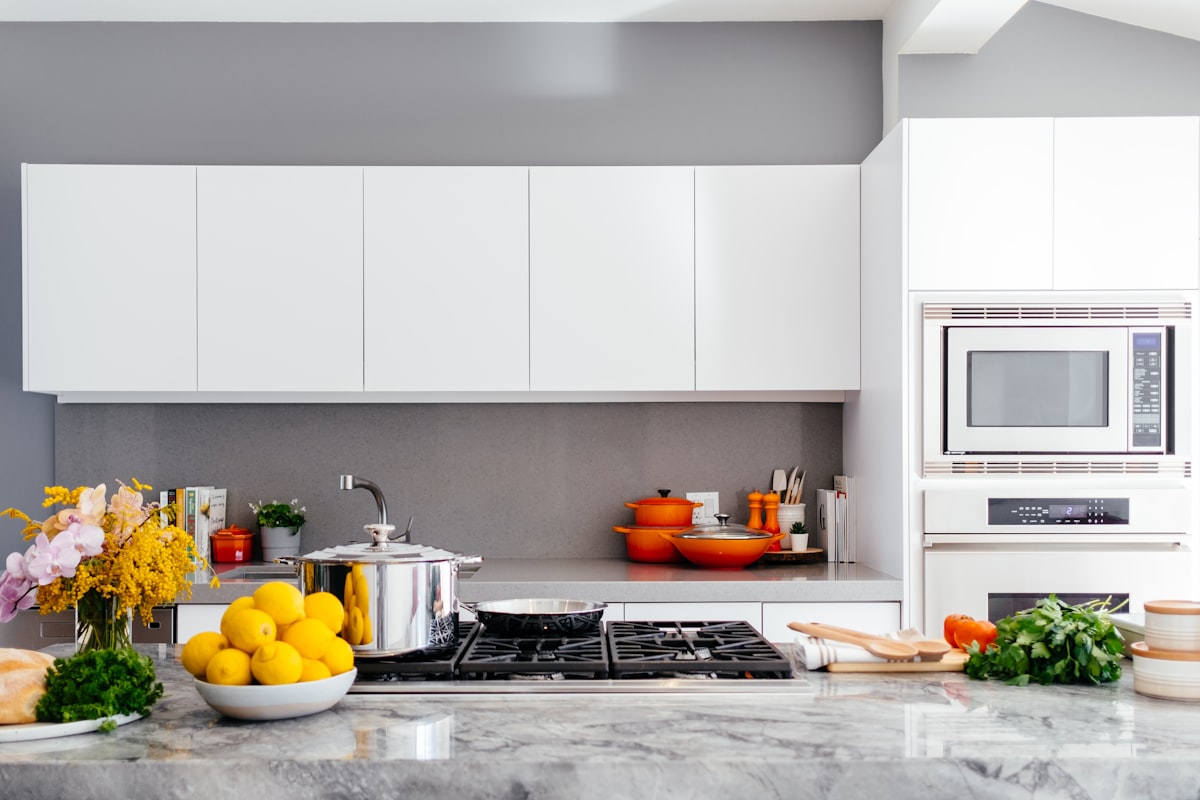
Nobody else was home. That is not rare, but it is not constant either, and on some evenings the absence registers as a texture rather than a problem. The fridge hummed. The lift shaft carried distant arrivals and departures. I wrote half a paragraph, crossed out a line, and watched the fan cord sway slightly with each rotation. The ordinary objects of the kitchen — rice cooker, dish rack, a sponge drying on the sink edge — arranged themselves into witnesses without speaking. I have learned that solitude in a familiar room is different from solitude in public. Here, alone-ness feels permitted, even tended.
The lamp over the table is older than the flat’s last renovation. It throws a circle of light that leaves the corners in softer grey. Inside the circle: my notebook, a pen, the cup with its thin steam gone. Outside: counters, cabinets, the window facing the estate lights coming on one by one. I prefer that division — a small stage and a larger quiet audience. On setting two the air reached the cup and kept the surface just warm enough that I remembered to drink before it turned bitter.
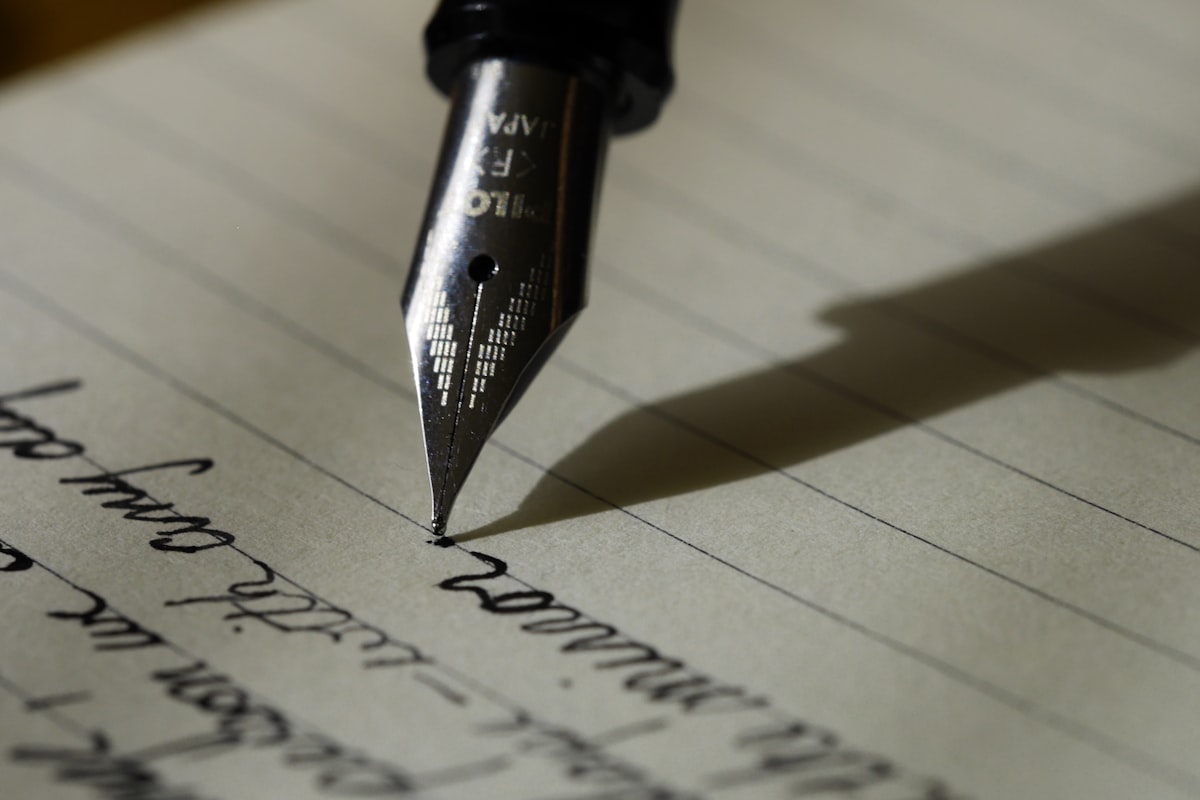
I turned a page and noticed the grain — tiny hills in the paper that catch pencil differently than pen. There is a satisfaction in that texture which screens have not replicated for me, though I use them daily. The fan moved the page edge once; I weighted it with the cup saucer. Setting two again proved its case: movement without disruption. I thought about how many evenings this table has seen — meals shared, bills spread out, fruit peeled, conversations that ended in laughter or silence. On this night it held only me, and the table did not seem diminished by that. Some furniture accepts whatever life places on it without complaint.
I did not cook a full dinner. Toast, then fruit, then more tea — the cuisine of a person postponing hunger until hunger becomes polite. Eating alone at the same table where I write often blurs the categories. Is this still work? Is it rest? The fan did not care. Setting two continued. I washed the cup immediately, a habit from childhood that persists when no one is watching. The water sound briefly louder than the blades. Then back to the chair, back to the circle of light, back to sentences that arrived slowly, like neighbours knocking one at a time rather than all at once.
What I wrote that evening does not matter as much as the room’s arrangement — which is why this note sits on the clothesline among pieces with nobody in them. No dialogue, no borrowed voice, only appliances and furniture keeping company in their mechanical and silent ways. I am not romanticising isolation. I am marking an hour that was whole without witnesses. There is a difference. Whole hours happen in company too; this one happened under a fan on setting two, and I want to remember that domestic machinery can be a kind of accompaniment when chosen rather than imposed.
Later I switched the fan off and opened the window instead. Outside air carried cooking smells from other units — garlic, something fried, something sweet I could not name. The estate sounded like itself. I turned off the kitchen lamp and moved to the living room without turning on the television. The table remained where it was, cup saucer still damp, notebook closed. It would wait. The kitchen is good at waiting. So is the fan when you leave it on setting two long enough that you forget it is on until the room cools and your arms notice first.
I return to that table most evenings, though not always alone and not always writing. When I am alone again, I often reach for setting two without thinking — muscle memory of a pace that suits thought. The lamp still throws the same circle. The paper still has grain. The note is pinned here as a reminder that small domestic choices — which speed, which light, which chair — can frame an hour as clearly as any landmark frames a walk. The kitchen table under the fan on setting two was my landmark that night. No photograph required for the feeling to stay, though I took one anyway, because light on wood is difficult to trust to memory alone.